Offline to Digital
The Customer Has Already Met You: How to Keep an Offline Moment From Disappearing
An Offline to Digital article explaining how to turn a physical customer moment into a digital continuation through QR, WhatsApp, credits, coupons, questionnaires, and a short customer journey.
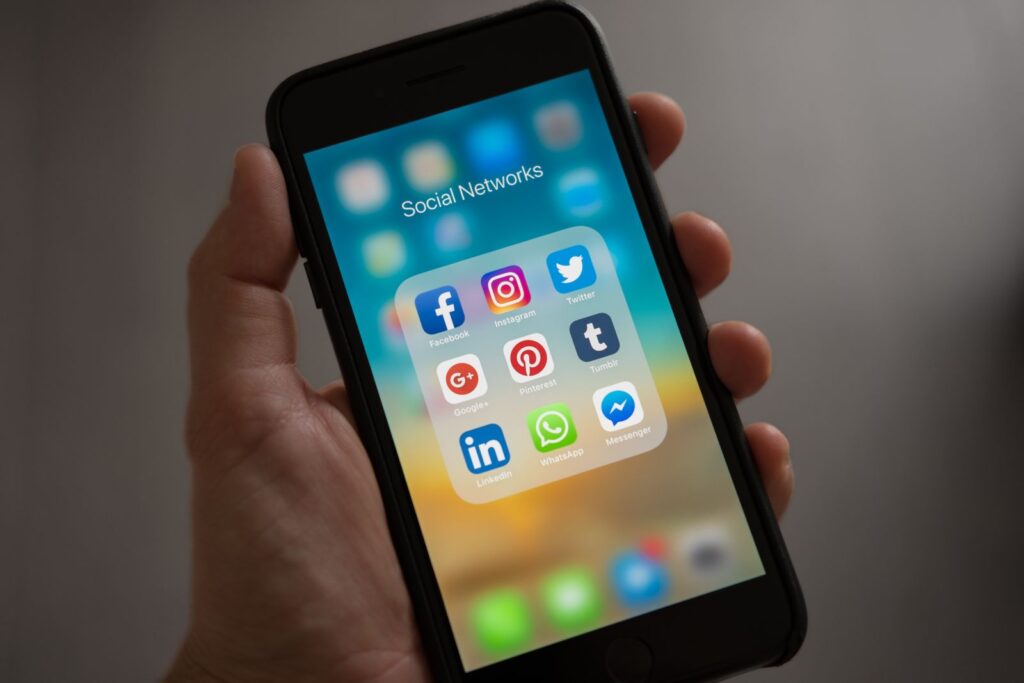
There are moments when a customer has already met the business.
They walked past the sign. Entered the store. Spoke with an employee. Picked up a flyer. Attended an event. Asked a question at a booth. Bought once. Showed interest, looked around, hesitated, touched the product, or simply stood there.
Then the moment ended.
If there is no continuation, the customer moves on. They forget the name, lose the flyer, do not return to the website, do not search again, and the business is left with a familiar feeling: there was interest, but it did not become a relationship.
This is where the bridge from offline to digital begins. Not because everything needs to become online, but because of a simple truth: the customer has already met you, and the question is how to keep the offline moment from disappearing.
This article is about how businesses can turn a small physical encounter into a smart digital continuation: WhatsApp, QR, membership, credit, questionnaire, coupon, reminder, follow-up content, or a short customer journey that begins exactly when the physical moment ends.
The problem: businesses invest in offline, but do not continue it
Many businesses invest real money and effort in physical touchpoints.
A designed store. Signage. Packaging. Events. Booths. Business cards. Flyers. Sales conversations. In-person service. Customer meetings.
Each of these moments can be the beginning of a relationship. But in practice, many of them remain isolated moments. They are not measured, collected, continued, or connected to any digital process.
That is a major missed opportunity, because offline has an advantage that is hard to get digitally: the customer has already given real attention. They were there, spoke with a person, held a product, saw something with their own eyes, or experienced a physical moment.
An offline moment is not the end of the encounter. It can be the starting point of a digital journey.
Why a physical moment disappears so quickly
A physical moment can feel strong in real time, but it fades quickly.
A customer may be excited by a store, but forget the name an hour later. They may take a flyer, but leave it in the car. They may tell an employee “sounds interesting”, but do nothing after that. They may photograph a product, but forget where they saw it.
The problem is not always lack of interest. Sometimes the customer simply did not receive an easy way to continue.
This is where digital should enter. Not to replace the physical experience, but to preserve the momentum created by it.
The task is to shift the question from “how do we make them remember us?” to “what small action allows them to continue the relationship now?”.
A good digital continuation does not ask for a big effort. It gives the customer a simple way not to lose the moment.
What counts as digital continuation?
A digital continuation is any action that connects the physical encounter to a touchpoint that remains after the customer leaves.
It can be:
- A QR code that leads to a guide, benefit, or relevant product
- A WhatsApp opt-in to receive a reminder or tailored offer
- A digital coupon for later use
- A short questionnaire that checks fit
- A small credit to use on the website or app
- A conversation summary or quote sent to the phone
- A landing page dedicated to an event, store, booth, or flyer
- An option to save an idea, product, or list for later
The main point is that the digital continuation must match the moment the customer is in. Not a general link to the website. Not “follow us on Instagram” without a reason. A continuation should feel natural to what just happened.
If the customer asked about price, the continuation should help them understand price. If they showed interest in a product, the continuation should save the product. If they attended an event, the continuation should extend the event experience.
The formula: identify, offer, connect, continue
To turn an offline moment into a digital journey, use four simple steps.
Identify: where do physical interest moments happen? Near a specific shelf, after a conversation with an employee, at the store exit, during an event, on the package, on the receipt, in a flyer, at a booth, or after purchase.
Offer: what will the customer get if they continue digitally? Not “leave your details”, but something valuable: a list, fit check, coupon, guide, credit, reminder, saved item, or follow-up content.
Connect: how do they move from physical to digital? QR, short link, WhatsApp, NFC, SMS, landing page, receipt code, or a checkout screen.
Continue: what happens after the connection? One message is not enough. Think in sequence: reminder, added value, offer, recommendation, content, return to the store, or a move to conversation.
Without continuation, the customer only moved from one point to another. With the right continuation, they began a journey.
Example: a store that stops losing interested customers
Imagine a furniture store that notices many people are interested in sofas, ask questions, take photos, and then leave to “think about it”.
Instead of hoping they return, the store can place a small QR code near each model: “Save this sofa and get sizes, colors, and price on your phone”.
The customer scans, receives a personal page with the model they saw, color options, sizes, price, and a reminder to choose fabric. After one day, a short message arrives: “Want to compare this model with two more options?”. After three days, the store can offer a short consultation or a delivery benefit.
Nothing here replaces the store. The opposite. The store created the interest. Digital keeps it alive.
The point is not to make the customer escape offline into digital. The point is to let the physical moment keep working after the customer leaves.
The mistake: QR without a reason
Many businesses place a QR code on a flyer, table, wall, or package and feel they have connected offline to digital.
But a QR code is only a door. If there is no good reason behind it, it will not work.
“Scan to visit our website” is a weak offer. “Scan to get the list of products you just saw” is better. “Scan to join our club” is generic. “Scan and receive your first credit for the next order” gives a clearer reason.
The digital connection must answer one question: why should the customer do this now?
If there is no clear answer, there is no continuation. There is only a code.
Where credits and tokens fit
Credits and tokens can be a powerful way to connect offline to digital because they create the feeling that the customer took something from the encounter.
For example, a customer who bought in-store receives a small digital credit for the next order. An event participant receives a token that unlocks additional content. Someone who scans a product can save it to a list and collect points. A customer who refers a friend after a visit receives credit for future use.
The value is not only the benefit. The value is that the physical encounter receives a digital tail. It does not end at payment or exit.
A good credit does not only say “you received a discount”. It tells the customer: the encounter between us continues.
How to start without a complex system
You do not need to build a large platform to begin.
Choose just one touchpoint. For example: the end of a customer conversation, a receipt after purchase, a flyer at an event, a sign near a product, or a message after a visit.
At that point, ask three questions:
- What has the customer already shown interest in?
- What small value would help them continue?
- Which channel is most natural for continuation: WhatsApp, landing page, SMS, email, or app?
Then build a simple continuation. Not perfect. Just simple enough to keep the moment from disappearing.
You can measure how many people scanned, how many continued, how many returned, how many asked a question, how many redeemed a coupon, and how many became leads or repeat customers.
That is how offline stops being a blind spot in marketing and starts becoming a source of data, connection, and continuation.
Conclusion: digital does not begin on the website
The mistake is thinking that the digital journey begins only when someone enters the website, clicks an ad, or follows a page.
Sometimes the journey begins much earlier. In a small physical moment where the customer has already met the business. The question is whether the business knows how to continue that moment, or lets it fade.
A smart bridge from offline to digital does not require magic. It requires identifying interest moments, giving a clear reason to continue, offering a simple transition, and building a sequence that brings the customer into a relationship.
The takeaway: the customer has already met you. If you did not give them a digital way to continue, the physical moment becomes a short memory instead of a relationship.