Community Growth
Before Growth, There Were Merchants Connecting Ports
Before funnels and dashboards, commercial growth began with networks of ports, relationships, reputation, and the ability to move value from place to place.
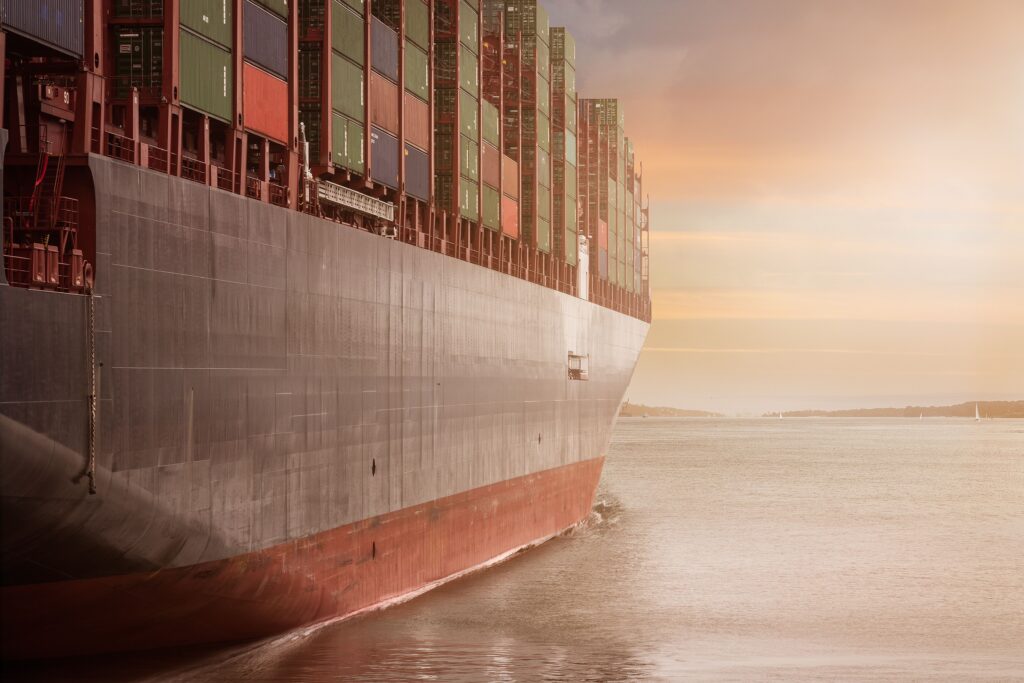
Before Growth departments, before dashboards, funnels, retention, and CAC, there were merchants looking at the sea and seeing a network.
The Phoenicians were not “growth hackers” in the modern sense. That needs to be said carefully. But they do remind us that commercial growth did not begin with digital campaigns. It began with the ability to connect places, people, goods, trust, and shared language.
Phoenician trade networks across the Mediterranean teach a lesson that still matters to brands: real growth is not born only from a good message. It is born from infrastructure that allows the message, reputation, and goods to move.
Growth is not only bringing more people
In the digital world, Growth is often measured in numbers: more sign-ups, more users, more leads, more sales. But if we look deeper, growth is a question of connection.
Who can reach you? Who understands your value? Who trusts you enough to try? Who tells someone in the next place about you? And what allows all of this to happen again and again without starting from zero every time?
Ancient merchants had to solve these questions without ad platforms, automation, or pixels. They did it through routes, relationships, reputation, language, specialization, and commercial memory.
The port was the community, channel, and marketplace
An ancient port was not only a place where goods were unloaded. It was a meeting point. A place where information moved, rumors formed, relationships were built, and one merchant learned who was reliable and who was risky.
In that sense, the port was a combination of WhatsApp group, marketplace, networking event, and review page. Not romantically, but practically: anyone moving inside such a network knew that value was not only in the goods, but also in the relationships that allowed goods to move.
This is a useful lesson today too. A good community is not only a place to post. It is movement infrastructure. It helps ideas, recommendations, trust, and opportunities pass between people.
Weak vs smart: campaign versus network
Weak: “Let’s run a campaign that brings a lot of traffic”.
Smart: “Let’s build a network where customers, partners, creators, and communities can carry our value forward even when we are not advertising”.
A campaign can create temporary movement. A network creates the possibility of repeated movement. That is the difference between a brand chasing attention and a brand building routes.
The Phoenicians did not succeed because they had a “viral post”. They succeeded because they operated inside a system of ports, ties, and goods that strengthened itself over time.
What do ancient merchants teach modern communities?
A strong community does not appear simply because people are in the same digital place. It appears when there is a reason to return, a reason to exchange information, and a reason to trust other people inside the space.
If a community has no real movement of value, it becomes a bulletin board. If it has people bringing experience, asking questions, sharing insight, and connecting opportunities, it begins to behave like a port.
A brand that wants to build Community Growth should ask less “how do we bring more members?” and more “what value will move here between people even when we are not pushing it?”.
What does this mean in the age of digital agents?
In a future where digital agents choose suppliers, products, and solutions for people, the network will become even more important. The agent will not check only one ad. It will look for patterns: who returns, who recommends, who holds relationships, where long-term trust exists.
In other words, community and network become data. Not only a soft feeling that “there is buzz around us”, but a signal that the brand can move between people, places, and contexts.
This brings us back to the ancient Mediterranean: whoever connected ports did not only sell more. They created a route where goods, information, and trust could move.
Three value points from this article
- Growth is movement infrastructure: not only a campaign that brings people, but a system that allows value to move forward.
- A good community behaves like a port: it connects people, information, trust, and opportunities.
- Networks become trust signals: in an agent-driven world, relationship patterns and recommendations may matter almost as much as the official message.
Where to go next
- How to build a community that behaves like a port, not a bulletin board.
- Why partnerships are part of the Growth engine, not a side activity.
- How digital agents may read trust networks around brands.
Recommended next read
Continue with It Used to Happen in the Town Square. Today It Happens in a WhatsApp Group: How Community Trust Became a Marketing Engine, because it continues the idea of markets, spaces, and human networks as engines of trust and growth.