Marketing Psychology
Offline to Digital: Turning Real-World Interactions Into Marketing Journeys That Keep Working
Every physical interaction should answer one question: how does the relationship continue after the person leaves?
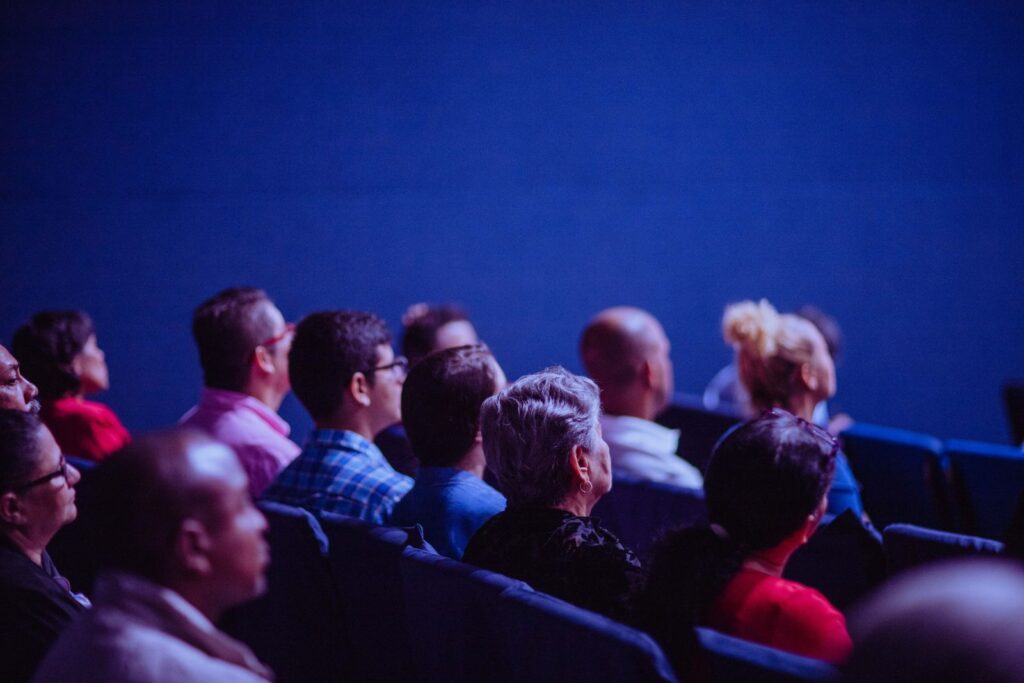
An event, store visit, lecture, conference, or in-person meeting does not have to end when the person leaves the room. In many cases, the physical moment is the best starting point for a digital journey.
Offline to Digital is the idea that a real-world interaction can become a measurable, ongoing, and more personal relationship.
The problem / context
Businesses invest in events, booths, flyers, talks, and stores, but often there is no clear continuation. Without digital planning, much of the value disappears when the interaction ends.
The bottom line: before looking for another tool or campaign, brands need to understand the human need or barrier underneath the behavior.
The central insight
This topic matters because it shifts the conversation from marketing that only tries to capture attention to marketing that builds a clearer relationship. Once the mechanism is understood, it becomes easier to design a message, experience, community, or offer that does not rely only on more exposure.
What matters most: marketing value is created when people understand why they should move forward, return, or participate.
What to check in practice
- Physical moment: where does the person meet the brand?
- Reason to act: why should they scan, join, or leave details?
- Immediate value: what do they receive now?
- Tailored continuation: what happens after a day or week?
- Measurement: how do we know if the interaction created value?
What this means in practice: this list turns an abstract idea into a simple checklist for a campaign, page, community, or customer journey.
How to apply it now
For every event, store visit, or physical interaction, brands should design a continuation: relevant content, community, tailored offer, credit, or automation that continues the conversation.
The implementation does not need to be big. Sometimes a small change — clearer wording, more immediate value, a stronger reason to return, or a simple reward mechanism — changes the quality of the relationship with the audience.
The bottom line: Every physical interaction should answer one question: how does the relationship continue after the person leaves?