Offline to Digital
Offline to Digital: Turning a Physical Moment Into a Digital Journey
Offline to Digital connects a real-world interaction to a digital journey that continues the relationship, measures it, and turns experience into a marketing asset.
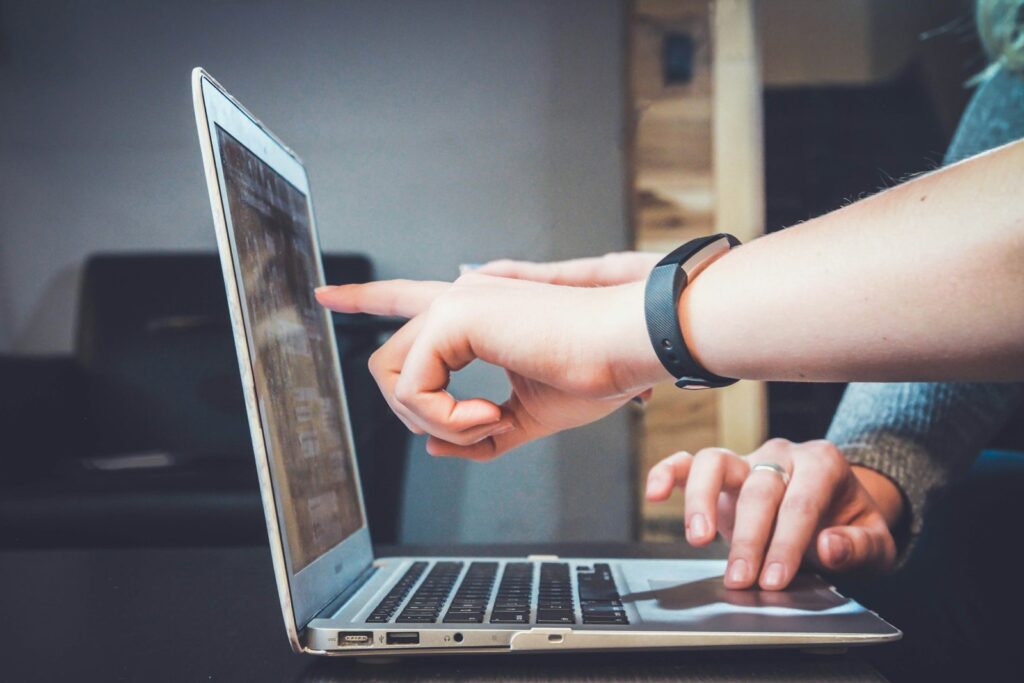
Many businesses treat a physical interaction as a one-time moment: a customer enters a store, a person attends an event, someone visits a booth, or joins a lecture.
But from a marketing perspective, that moment can be much more than a touchpoint. It can be the beginning of a journey.
Offline to Digital means that a real-world interaction does not end where it happened. It continues through digital follow-up, measurement, content, and the next action.
The problem: physical moments disappear without follow-up
Events, stores, conferences, and field activities create presence, trust, and memory. These are hard to create through an ad alone.
Still, once the moment ends, the relationship often disappears.
- People take a business card and never return.
- Someone scans a QR code and lands on a generic page.
- Event participants do not receive relevant follow-up.
- In-store customers do not enter a measurable journey.
- The brand does not know who was interested and in what.
The bottom line: physical activity without digital follow-up is an experience that never became a marketing asset.
The digital transition is not the QR code
A QR code, form, short link, or landing page is only an entry point. It is not the strategy itself.
The important question is what happens after the scan: does the person receive immediate value? Is the message connected to the moment in which they met the brand? Is there a follow-up after a day or a week?
What this means in practice: the digital journey begins only when the brand can continue the conversation in a relevant way.
Framework: the five stages of Offline to Digital
1. Identify the physical moment
Understand where the real human interaction happens: store, conference, lecture, booth, community event, package, or meeting with a representative.
The bottom line: not every physical moment has the same value. Identify where interest is strong enough to continue the relationship.
2. Give people a reason to move online
People do not scan because the brand wants data. They scan because they have a reason.
- A short guide
- A relevant benefit
- A personal assessment
- Follow-up content
- Access to a community
- Credit for future use
If there is no clear value on the other side, the digital transition feels like a request instead of an opportunity.
3. Connect the message to the context
A person coming from a conference is in a different mindset from someone arriving from Google. The follow-up page should feel like a natural continuation of the meeting, not a restart from zero.
The bottom line: good digital follow-up says “we understand where you came from and what next step fits you”.
4. Build continuity, not only a lead
The goal is not only to collect contact details. The goal is to continue a relationship.
- A value-based follow-up email
- A tailored WhatsApp message
- Content based on interest
- A gradual offer
- Access to a club or community
A lead without the right follow-up is not an asset. It is just a name on a list.
5. Measure the whole journey
The biggest advantage is learning: which event created interest, which QR was scanned, which message drove contact details, and which follow-up created a purchase.
Once the physical meeting becomes measurable, it can be improved like any digital campaign.
What this means for brands
Offline to Digital is relevant for retail, events, clinics, restaurants, real estate, education, communities, and professional services.
The value is not only driving people to a website. The value is turning a moment of attention into a sequence of relationship.
A brand that thinks Offline to Digital does not only ask how to generate traffic. It asks how not to lose the people it already met.
The common mistake: treating digital follow-up as data collection
Many businesses treat a physical interaction as a chance to capture a lead. They place a QR code, ask for a phone number, add the person to a list, and feel the job is done.
But a strong Offline to Digital journey does not only ask “how do we collect details?”. It asks:
- What is the person experiencing right now?
- What need was created in the physical moment?
- What follow-up would feel natural to receive?
- What small action would make sense now?
- What information would help us create a better next step?
The bottom line: the goal is not to move a person from a form into a list. The goal is to turn a moment of interest into a journey with a clear continuation.
What should happen in the first 24 hours
The time after the physical meeting is especially important. The person still remembers the experience, but their attention is already moving elsewhere. If the brand does not continue the connection quickly, the moment weakens.
A good follow-up can include:
- A thank-you message that reminds the person where the meeting happened.
- A link to a short piece of content that expands on what interested them.
- A relevant offer that does not feel aggressive.
- An option to choose the next topic based on personal interest.
- An invitation to join a community, list, or ongoing experience.
The key is that the message should not feel generic. **If the digital follow-up is not connected to the physical moment, the person feels they were simply dropped into a standard automation flow.**
How to know whether it works
Offline to Digital activity should be measured beyond the number of scans. A scan is only the door opening. The real question is what happened next.
Useful signals include:
- How many people completed the first action.
- How many moved to a second action.
- Which content they engaged with.
- How many returned after a day or a week.
- Which physical touchpoint created the highest-quality continuation.
What this means in practice: the important metric is not only how many people scanned. It is how much of the physical moment became a relationship that can keep developing.
Summary
The physical moment creates trust and experience. Digital systems create continuity, measurement, personalization, and the next action.
The core idea: a physical interaction becomes a marketing asset only when the brand can continue it digitally in a relevant, measurable, and valuable way.