Marketing Psychology
When the Button Becomes a Game: Why People Participate More When You Do Not Ask Them to Click
Sometimes a like, comment, or signup works not because it was requested well, but because it became part of a small game people want to join.
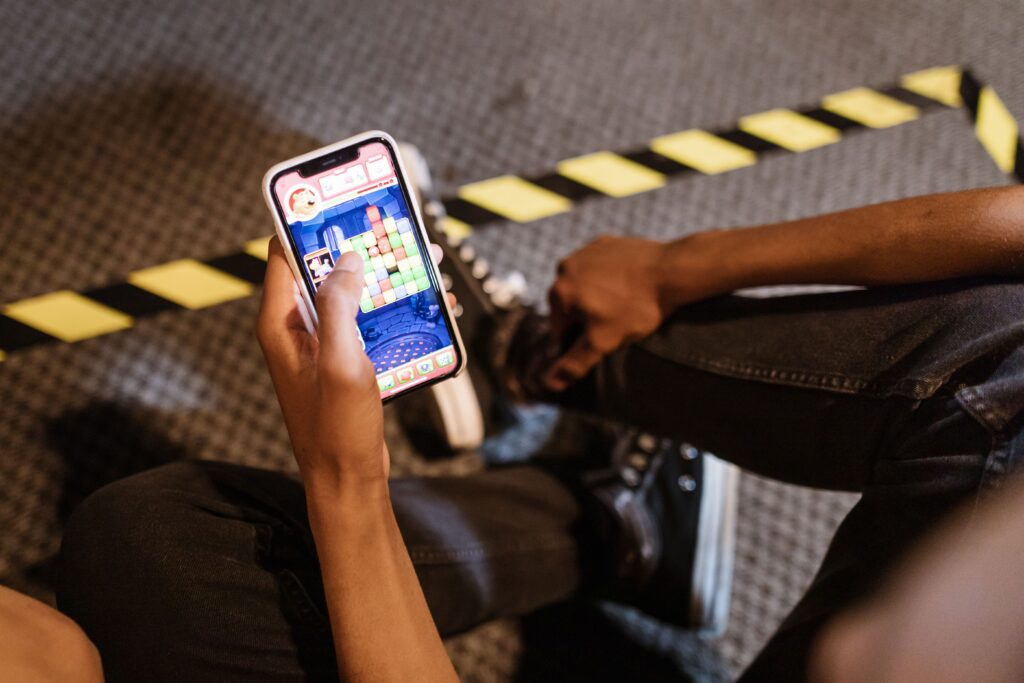
Most calls to action sound the same: like, comment, share, subscribe, click here. These are small requests, but they are still requests. And the problem with requests is that people quickly feel that someone wants something from them.
But sometimes the exact same action can feel completely different. Not like helping a brand. Not like following an instruction. Not like another click for the algorithm. It can feel like participation in a small moment happening right now.
That is the moment when the button becomes a game. The like is no longer just a like. It is a vote. The comment is no longer just a comment. It is part of the joke. The signup is no longer just a signup. It is entry into an experiment. The action has not changed, but its meaning has.
A regular CTA asks for action. A game-like CTA gives the user a role
A regular call to action tells the user: do something for me. A game-like call to action tells them: come be part of this.
That is a small difference in language, but a big difference in feeling. “Like this video” feels like a request. “Let’s see if we can make the manager realize he got himself into trouble with that promise” already feels like a scene. The user is not only clicking. They are entering a role.
This is where the real marketing value sits: not in immediate sales, but in turning indifference into participation. A person may not want to help a brand. But they may want to feel part of a funny, smart, strange, or intriguing moment.
This is not a sales technique. It is a participation technique
It is important to be precise: a game-like CTA is not necessarily meant to sell right now. It is not always right for a sales page, a payment page, or a heavy decision. It is more relevant earlier in the journey: advertising, social content, organic content, community, message testing, and audience building.
Its value is business-related, but not always direct. It creates a signal: who stopped, who understood, who laughed, who commented, who saved, who shared, who felt involved enough to take a small action.
In a world where attention is expensive, even a small action can matter. Not because it brings money right now, but because it shows there is a spark.
The algorithm does not buy the game. People do
It is easy to say that this technique is meant to “trick the algorithm”. But that is too shallow. The algorithm does not laugh at the joke, feel the challenge, or become part of the community. People do.
What the algorithm can identify is behavior: viewing, stopping, commenting, liking, sharing, saving, rewatching. If the game creates real behavior, the algorithm may read the content as something people find interesting.
So the more accurate sentence is: the technique does not trick the algorithm. It creates human behavior that the algorithm knows how to identify.
Weak vs smart: same action, different meaning
Weak: “Like this if you enjoyed it”.
Smart: “If this post gets 1,000 likes, I will test whether this idea actually works and show you the results”.
In both cases, the action is a like. But in the second case, the like is not only a gesture. It becomes a vote on an experiment. The user feels that their action affects what happens next.
Another example: “Subscribe to the newsletter” is a regular request. “Join the experiment: once a week we send one marketing idea, and you decide if it is brilliant or useless” is already an invitation into a small thinking game. Same email field. A completely different meaning.
Why does it work psychologically?
Because people do not respond only to the action itself. They respond to context. A like can be just a click, but it can also be a vote, a joke, a sign of belonging, a show of support, a wish to see what happens next, or a small way to influence the story.
Gamification in marketing works exactly in this area: it takes a non-game action and adds game-like elements to it – a goal, challenge, choice, progress, audience feedback, a sense of influence, or a small moment of victory.
The action becomes easier because it does not feel like work. It feels like participation.
What is the business value of an action that sells nothing?
Not every marketing action has to end at checkout. Sometimes the value is learning that an audience exists. Sometimes the value is testing an idea. Sometimes the value is discovering which wording moves people. Sometimes the value is turning a stranger into a friend before offering them something bigger.
A game-like CTA can help a business test messages, warm an audience, increase organic reach, create memorability, encourage real comments, and understand which ideas make people stop.
This is not the sale. It is infrastructure for a future sale. Before a person buys, they need to pay attention. Before they pay attention, they need to feel there is something worth joining.
The boundary: a good game does not feel like a trick
The risk is clear. If every action becomes a forced game, the audience feels manipulated. If the challenge is fake, if the promise is not fulfilled, if comments are requested cheaply, or if the game exists only to squeeze engagement, trust disappears.
A good game should respect the user. It should be clear, easy to understand, not embarrassing, not misleading, and not dependent on excessive pressure. The user should feel they chose to participate, not that they were pushed into it.
The test is simple: does the user feel they were part of an interesting moment, or do they feel someone used them to lift numbers?
How to build a game-like CTA without ruining the idea
Start with the story, not the button. What is the small thing happening here? An experiment? A joke? A challenge? A choice between two options? A continuation that depends on the audience? A moment where the user can decide something?
Then connect one simple action to it. Not five. Not a complicated path. One action that feels like a natural part of the story: a like as a vote, a comment as participation, a save as a promise to return, a share as a way to bring more people into the game.
The central sentence of this article is this: people do not always want to take an action for a brand, but they do want to feel that their action changes something inside a moment happening now.
Three value points from this article
- A game-like CTA is not necessarily a sales tool: it is a tool for creating participation, signals, memorability, and a warm audience.
- The action does not change, the meaning changes: a like, comment, or signup can become a vote, a game, an experiment, or a moment of belonging.
- The algorithm is not the first target: the goal is to create real human behavior that the digital system knows how to identify.
Where to go next
- How to turn comments into a learning audience, not only an engagement metric.
- Why public experiments make people feel part of the brand.
- How to build a call to action that feels like an invitation, not a request.
Recommended next read
Continue with The Button That Presses the Brain: How a CTA Moves People From Thought to Action, because it explains the psychological foundation of moving from understanding to action before turning the action into a game.